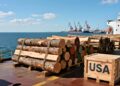
HTS US: 1401.XX.XXXX
Description
Heading 1401 covers vegetable materials of a kind primarily used for plaiting and weaving. These natural fibers and stems are widely used in the manufacture of baskets, mats, furniture, and handicrafts. The materials included are diverse, typically featuring:
- Bamboos: Strong, woody grasses often used in construction and craftwork.
- Rattans: Climbing palms with flexible stems, commonly used in furniture making and basketry.
- Reeds and Rushes: Aquatic or semi-aquatic plants used for weaving mats and similar products.
- Osier (Willow): Flexible willow branches traditionally used for basketry.
- Raffia: Fibers obtained from palm leaves, used for weaving and tying.
- Cereal Straw: Cleaned, bleached or dyed straw from cereal plants, often used decoratively.
- Lime Bark: Bark from lime trees, processed for craft purposes.
These materials are generally presented in forms suitable for plaiting or weaving, either raw or processed (cleaned, bleached, dyed), and are important raw materials for traditional and industrial craft sectors.
Code Hierarchy
- Section II: Vegetable Products (Chapters 06-14)
- Chapter 14: Vegetable Plaiting Materials; Vegetable Products Not Elsewhere Specified or Included
- Heading 1401: Vegetable materials of a kind used primarily for plaiting (e.g., bamboos, rattans, reeds, rushes, osier, raffia, cleaned, bleached or dyed cereal straw, and lime bark)
- US HTS Code (10-digit):
1401.XX.XXXX– The last digits specify the detailed category of the vegetable material.
Detailed Breakdown of Subheadings
The heading 1401 is subdivided into more specific codes to differentiate among types of materials and their forms:
| HTS Code | Description | Examples & Notes |
|---|---|---|
| 1401.10.00.00 | Bamboos | Includes raw or processed bamboo stems used for plaiting or weaving. |
| 1401.20 | Rattans | General category for rattan materials. |
| 1401.20.20 | In the rough or cut transversely into sections | Rattans either raw or cut into segments. |
| 1401.20.20.10 | In the rough, 4 meters or more in length | Long rattan poles at least 4 meters, typically used in furniture frames. |
| 1401.20.20.90 | Other | Other rough or sectioned rattans not meeting the length specification. |
| 1401.20.40.00 | Other rattans | Processed rattans or those not falling under rough or sectional categories. |
| 1401.90 | Other | Includes all other vegetable plaiting materials not classified above. |
| 1401.90.20.00 | Willow (osier) | Flexible willow branches used traditionally for basketry and weaving. |
| 1401.90.40.00 | Other materials | Includes reeds, rushes, raffia, cereal straw, lime bark, and other similar materials. |
What is NOT Classified Here?
To ensure correct classification, the following are excluded from heading 1401:
- Wood and wood products: Such as timber, wood chips, or processed wood, which fall under Chapter 44.
- Other fiber materials: Cotton, flax, jute, and similar fibers are covered under other chapters.
- Manufactured plaiting products: Finished woven goods or reed mats fall under other headings related to finished goods.
Notes
- Material Condition: Materials may be cleaned, bleached, dyed, or otherwise prepared but remain essentially vegetable materials for plaiting.
- Usage: Primarily used for making handicrafts, furniture, mats, and other woven or plaited products.
- Trade and Tariffs: Duty rates vary depending on the specific subheading and country of origin; check current HTS schedules for applicable rates.
Declaration Example
Product: Shipment of rough rattans cut into sections, 4 meters or longer.US HTS Code:
1401.20.20.10(Rattans in the rough, 4 meters or more in length)Unit of Quantity: Kilogram (kg) or number of pieces
General Duty Rate: Refer to current USHTS rates – rates may vary based on the form and treatment.
Additional Requirements: Phytosanitary certificates may be required depending on origin.
Related HTS Codes
- HTS 1403: Vegetable saps and extracts; pectic substances, pectinates and pectates; agar-agar and other mucilages and thickeners
- HTS 1404: Vegetable products not elsewhere specified or included; vegetable materials used primarily for plaiting but in finished forms
- HTS 4403: Wood in the rough, whether or not stripped of bark or sapwood